
Left Hand Agency CPG High Five: Five Women Who made a Career-Pivot into CPG | CPG Success Stories
Women-founders are some of my favorite people to follow on LinkedIn. I love watching them lead out loud, lift up other founders and shake up industry norms. That is especially true when a founder came from outside the “system.”
Some of the most interesting brands in CPG right now weren’t built by career operators. They were built by women who saw the industry from the outside and decided to take a risk. So let's get into their CPG success stories!
1. Mitzi Dulan — SimplyFUEL

Before founding SimplyFUEL, Mitzi Dulan spent years as a registered dietitian and as the Team Nutritionist for the Kansas City Chiefs and the Kansas City Royals, working directly with elite athletes on performance nutrition. Her world was one where nutrition wasn’t a trend, it was a measurable input tied to results—in fact, the year she started making her protein balls for the Royals team members, they won the World Series!
After encouragement from other entrepreneur friends, Dulan launched SimplyFUEL. Taking what she had learned in professional sports and translating it into high-protein, functional snacks designed for everyday consumers. At the time, protein snacks were still largely positioned for bodybuilders, not mainstream households.
Today, SimplyFUEL has built a loyal consumer base and strong presence in natural and specialty retail, with a product line that continues to expand across bars, bites, and functional snacking formats. The brand has stayed consistent in its positioning, rooted in real nutritional expertise rather than trend-chasing.
I have personally tried her protein balls and they are delightful as a snack or even a meal replacement. (Side note, hoping they expand to some single-serve options for those of us often on the road).
Mitzi’s edge wasn’t CPG experience, it was deep domain knowledge applied to a broader audience. P.S. Fun fact, she has a World Series Ring!
2. Rosa Li — Wildwonder

Rosa Li began her career in finance and investing, including time at Morgan Stanley and Merrill Lynch, far removed from the beverage aisle. But her personal experience growing up with traditional Chinese herbal tonics gave her a unique lens on health and wellness that wasn’t reflected in Western CPG.
She founded Wildwonder—combining gut health (prebiotics + probiotics) with Asian-inspired flavors and storytelling. At a time when functional soda was just beginning to take off, Wildwonder differentiated itself not just on function, but on cultural authenticity and brand narrative.
Today, Wildwonder has scaled into Whole Foods, Sprouts, and other national retailers, competing alongside fast-growing brands in the functional beverage space. The brand has also attracted investor attention as the category continues to expand.
I have no doubt that Rosa’s background in finance and investing has made her a careful business operator and positioned her brand for success. While Rosa didn’t come from beverages, her ability to see both white space in the category and emotional resonance with consumers is what’s driving the brand forward. (That and the fact her drinks are very, very tasty!).

Emily Cole Groden didn’t start in frozen food. The Harvard Law graduate was a corporate attorney who was pregnant with her first child when she saw how broken the frozen aisle was, especially for kids. The gap between what she knew food could be and what was available at retail became the catalyst.
She founded Evergreen in 2020, launching clean-label, nutrient-dense frozen meals and waffles for kids, made with whole ingredients and no shortcuts.
In just a few years, Evergreen has expanded into Whole Foods, Target, and other national retailers, gaining traction with parents looking for better options in a historically low-quality category. The brand continues to innovate across formats while maintaining a strong point of view on ingredient integrity.
Emily didn’t come from CPG, she came from a world where quality was non-negotiable, and she brought that standard into a category that needed it.
4. Kara Goldin — Hint
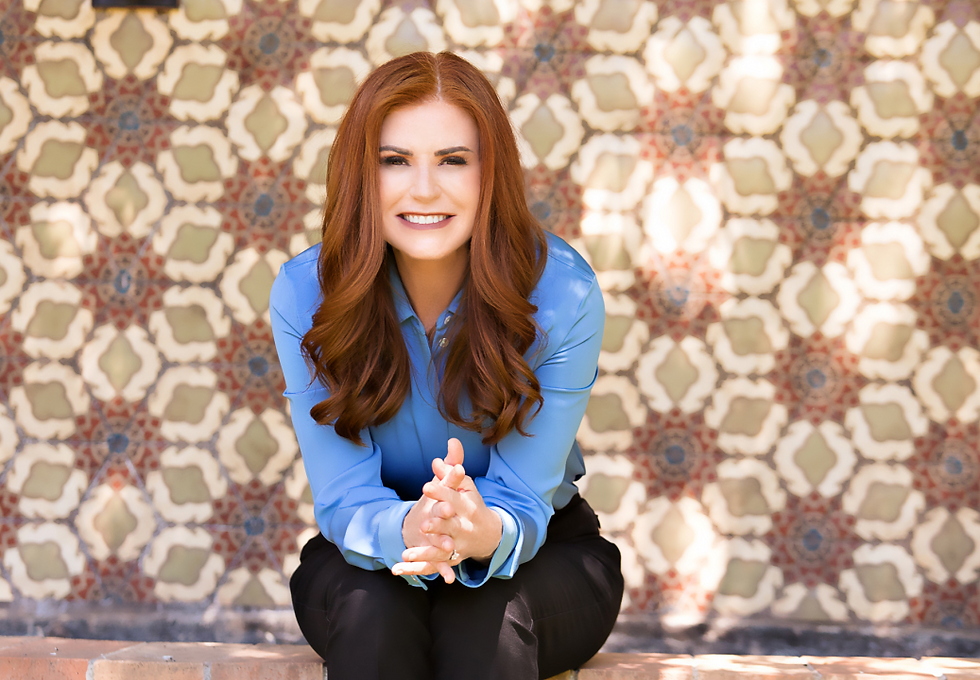
Kara Goldin’s path into CPG started with a personal problem. Coming from a background in media and tech (including roles at AOL and CNN), she was focused on improving her own health, primarily by cutting out diet soda.
Bored with plain water, she began infusing water with fruit at home and quickly realized there was a gap in the market for unsweetened flavored water. At the time, this wasn’t a defined category.
She launched Hint with no prior experience in beverage manufacturing or distribution, navigating everything from supply chain to retail relationships as a first-time founder.
Goldin and her husband took a hands-on approach to building Hint. Filling their jeep with product, stocking shelves across the San Francisco Bay Area, turning date nights into strategy sessions, and even holding product tastings at school drop-off and pick-up!
Today, Hint is a widely distributed national brand, sold in major retailers like Target, Walmart, and Amazon, and has become one of the most recognized names in flavored water. The brand helped define a category that now feels obvious, but didn’t exist at scale when she started.
Kara’s advantage was that she didn’t follow the rules of the beverage industry, because she didn’t know them.
Side note: I read Kara’s book Undaunted a few years back and it’s such a great book for any founder to read, particularly female founders.
5. Becca Millstein — Fishwife

Before Fishwife, Becca Millstein was working in music and entertainment marketing, building brands and communities around artists. Food wasn’t her background, but storytelling was.
After spending time in Spain, she became fascinated with Spanish and Portuguese conservas, or premium tinned fish, and saw a stark contrast with the U.S. market, where canned seafood was treated as a low-cost commodity.
She co-founded Fishwife in 2020, with the goal of reimagining tinned fish as a premium, design-forward, culturally relevant product. The brand leaned heavily into storytelling, packaging, and community early on, building awareness before scaling distribution.
Today, Fishwife is carried in Whole Foods, specialty retail, and growing national accounts, with a strong direct-to-consumer presence and a highly engaged audience. The brand has helped bring new attention to a category that had been largely overlooked.
Becca didn’t just launch a product, she reframed how consumers think about an entire category.
Honorable Mention: The Painterland Sisters

Unlike the others on this list, the Painterland Sisters didn’t come from outside their category, they grew up in it. As part of a multi-generational dairy farming family, they had deep roots in production but saw an opportunity to build something more.
They launched their branded yogurt business, focusing on organic, grass-fed dairy with a strong emphasis on regenerative agriculture and transparency.
In a short period of time, Painterland Sisters has expanded into Whole Foods and other natural retailers, carving out space in a competitive yogurt category by combining provenance, quality, and a clear mission.
Their story is a reminder that even within legacy industries, a new vision for product creation and branding can unlock entirely new growth.
What can founders learn from these women and their CPG success stories?
None of them followed a traditional path into CPG.
They didn’t spend years optimizing trade spend or managing legacy portfolios. Instead, they brought:
a fresh lens on the consumer
a clear point of view on product
and the willingness to take a calculated risk
That combination is hard to teach and even harder to replicate.
As the industry continues to evolve, it’s becoming clear that some of the most durable brands aren’t built by insiders. They’re built by people willing to challenge the way things have always been done.
We’re Left Hand Agency. We help CPG brands grow by making people remember you and buy you. We believe in marketing science over BS dashboards—and in incrementality over just velocity. Because moving faster isn’t growth if you’re just chasing the same customers. Let's grow together.


